Yapım Tarihi - 2023
Süre - 02:00:24
Format - Uzun Belgesel, Renkli, Türkçe
Yönetmen / Director - Kıvanç Kürkcü
Senarist / Writer - Kıvanç Kürkcü
Yapımcı / Producer - Galip Kürkcü
Sound Mix and Mastering - Mete Arca Alış
Görüntü Yönetmeni / Director of Photography - Galip Kürkcü
Animation Sound Design - Mete Arca Alış, Tunca Candaş
Color - Mert Ceylan
Subtitle Translator - Bilgesu Savcı
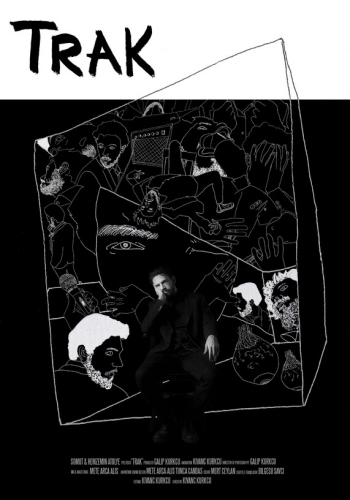
“Trak gelmesi” tiyatro terminolojisinin içinde; oyuncunun sahnede, oyun
sırasında bir anlığına repliklerini unutması ve gerçeklik algısını yitirmesini
nitelemek için kullanılır. “TRAK” filminde henüz oyunculuk kariyerinin başında
genç bir oyuncunun mesleğinden ve içinde bulunduğu koşullardan kopuşu, trak
gelmesiyle eş anlamlı olarak anlatılıyor. Ayrıca film; trak gelmesi ile
Tevrat’ta anlatılan Yunus peygamberin hikayesindeki balığın karnında üç gün üç
gece beklemesini ilişkilendirerek, şu üç başlıkta paralel olarak ilerliyor:
Oyuncunun kendi hikayesinden parçalar, tiyatro ve tiyatronun teknik araçları
üzerine düşünceler, Yunus peygamberin hikayesi… Oyun da tıpkı film gibi episodik
yapıda olduğu için, tıpkı oyun çalışma sürecinde olduğu gibi film de yavaş yavaş
inşa ediliyor. Oyuncunun anlatımıyla birlikte oyun gittikçe anlam kazanıyor ve
son bölümünde oyunun tamamını izlemiş olan seyirci, oyuncunun bu süreç
hakkındaki fikirlerini ve filmin yapılış amacını geriye dönük kolaylıkla takip
edebilir hale geliyor.
Within the boundaries theatre terminology, TRAK (going blank) is used for the
description of actor’s forgetting their lines on the stage and losing the sense
of reality all of a sudden during the play. In the movie “TRAK”, the
disengagement of a young actor who is on the early stages of his acting career,
from his profession and the conditions he is in, is being told synonymously with
going blank. Besides, the move progresses paralelly through these three topics
by associating going blank with the story of prophet Jonah in which he was
described in Torah as if he had been in the stomach of a fish for three days and
nights: the fragments from the actor’s own story, thoughts/reflections on
theatre and the technical tools of it, the story of prophet Jonah… The play,
just like the movie, is also in an episodic structure and that is why, the movie
is also constructed phase by phase as it is in the working process of the play.
With the narration of the actor, the play gets a meaning and in the last section
the audience who has watched the entire play, becomes able to follow the reason
behind the movie’s production.
Film için, pandemi nedeniyle oynanamamış bir tiyatro oyununun prova sürecinin
hatırlanması ve çalışma sürecinin yeniden üretilmesi de denebilir. Oyun da tıpkı
film gibi episodik yapıda olduğu için, tıpkı oyun çalışma sürecinde olduğu gibi
film de yavaş yavaş inşa ediliyor. Oyuncunun anlatımıyla birlikte oyun gittikçe
anlam kazanıyor ve son bölümünde oyunun tamamını izlemiş olan seyirci, oyuncunun
bu süreç hakkındaki fikirlerini ve filmin yapılış amacını geriye dönük
kolaylıkla takip edebilir hale geliyor. Örneğin; başlarda varlık sebebini
bilmediğimiz “anlatıcı” karakterinin “Yunus sıkılıyor, Yunus sesleniyor”
anonslarının nedenini filmin sonlarına doğru anlatılan bir bölümde öğreniyoruz.
Bu da filmin seyirciden olabildiğince odaklanarak ve sabrederek izlemesi
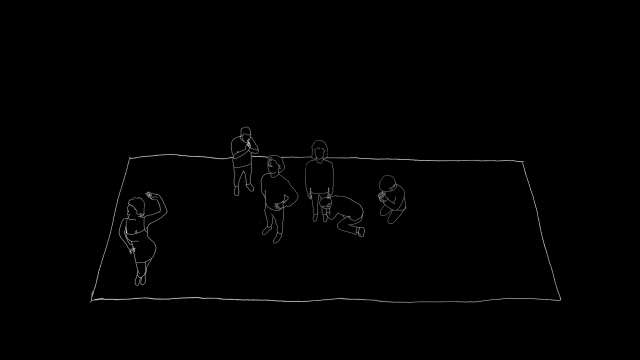
beklentisinin olduğunu gösteriyor. Film boyunca “hoşt!” oyununu da çalışıldığı
haliyle, belge niteliğiyle izliyoruz. Oyun da filmde anlatılan diğer konu
başlıkları gibi filmin malzemelerinden birine dönüşüyor ve bu haliyle sinematik
bir kurgudan ziyade bir canlandırmaya benziyor. Yunus peygamberin hikayesi ile
olan benzerlik ise hikayenin bel kemiğini oluşturan balığın karnında,
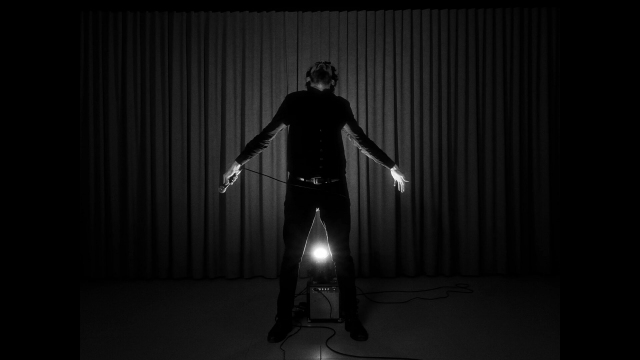
karanlıktaki tövbe ediş üzerinden kuruluyor. Film de olabildiğince karanlıkta,
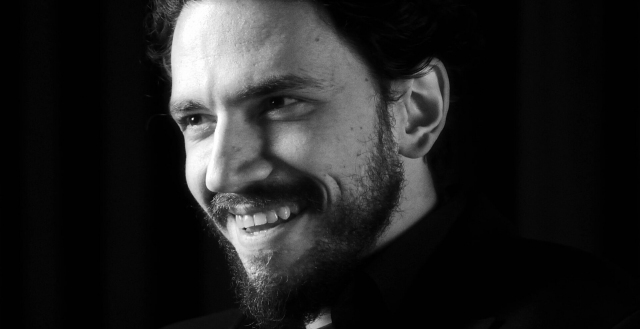
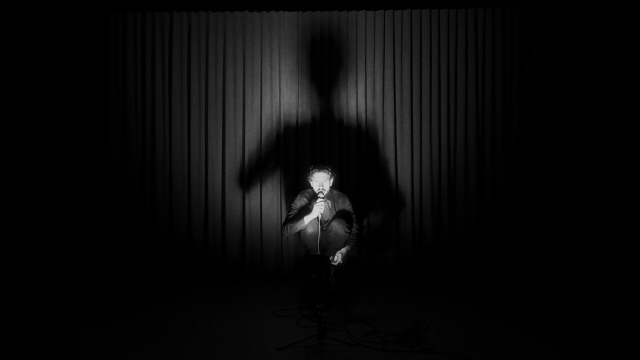
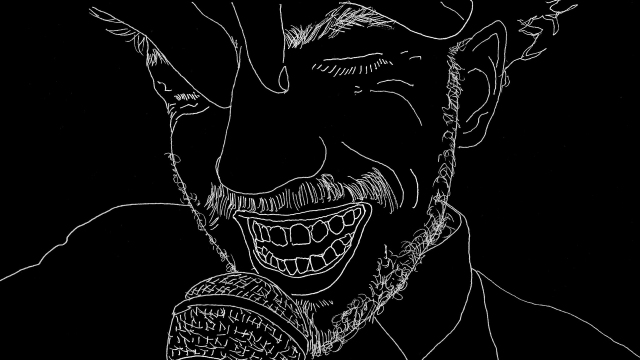
siyah-beyaz renkte, ellere ve yüze odaklı bir atmosferde ilerliyor. Seyirciden
oyuncunun anlattıklarına odaklanarak, onunla birlikte bu düşünce seline
kapılması bekleniyor. Tıpkı Yunus peygamberin hikayesindeki gibi, gündelik
hayata bir süreliğine ara vererek bir hesaplaşmaya giriliyor ve ardından
pişmanlıklar dile getirilip, tekrar hayatın akışına dahil olmak üzere mekan terk
ediliyor. Oyuncu anlatması gerekeni anlatıp, sahnenin arkasından çıkarak
kayboluyor. Biz ise tüm filmin geçtiği mekanda kalıyor, bütün bu sürecin
yorgunluğuyla hareketsiz vaziyette filmi sonlandırıyoruz. Bu haliyle filmin bir
“itiraf” ve “tövbe” filmi niteliği taşıdığı söylenebilir. Oyuncunun anlattıkları
ise tiyatro, oyunculuk, gerçeklik, hikaye anlatmak gibi geniş kapsamlı
konuları;örümcek ağına benzer biçimde merkezine bir konuyu almadan yavaş yavaş
örerek, birbirine bağlayarak, dönenerek dairesel bir yapı kuruyor. Hikaye
anlatmamak üzere yola çıkılan sürecin sonucunda hikayenin kendi kendini
anlatması ve oyuncunun hikaye anlattığının dahi farkında olmaması trajik bir
hatayı anımsatıyor. Hikaye anlatmanın işlevi ve gerekliliği üzerine
konuşulduktan sonra yenilgi itiraf edilerek film sonlandırılıyor. Filmin yapılış
amacı da hikaye anlatmanın işlevi gereği, yaşanılan tecrübeden çıkarılan dersin
insanlara belirli bir kurguda anlatılmasıyla gerçekleştirilmiş oluyor.
For the film, it can also be said that the rehearsal process of a theater play
that could not be performed due to the pandemic is remembered and the working
process is reproduced. Since the play, like the movie, has an episodic structure,
the movie is gradually constructed, just like the process of working on the play.
With the actor's narration, the play gradually gains meaning and the audience,
who has watched the entire play in its final part, can easily follow the actor's
ideas about this process and the purpose of making the movie retrospectively.
For example, we learn the reason for the "narrator" character's announcements
"Yunus is bored, Yunus is calling out", whose reason for existence we do not
know at the beginning, in a section narrated towards the end of the movie. This
shows that the movie expects the audience to watch with as much focus and
patience as possible. Throughout the movie, we also watch the play "hoşt!" as it
was practiced, as a documentation. The game becomes one of the materials of the
film, like the other topics covered in the movie, and in this way it resembles a
reenactment rather than a cinematic fiction. The similarity with the story of
the prophet Jonah is established through the repentance in the darkness in the
belly of the fish, which forms the backbone of the story. The film also proceeds
in as dark an atmosphere as possible, in black and white, focusing on the hands
and face. The audience is expected to focus on the actor's narration and get
caught up in this flood of thoughts with him. Just like in the story of the
prophet Jonah, one takes a break from daily life for a while to come to a
reckoning and then regrets are expressed and the space is left to rejoin the
flow of life. The actor tells what he has to tell and disappears behind the
stage. We, on the other hand, stay in the place where the whole movie takes
place and end the movie motionless with the fatigue of the whole process. In
this way, the movie can be said to be a "confession" and "repentance" movie. The
actor's narration, on the other hand, builds a circular structure by slowly
weaving, connecting and spinning wide-ranging subjects such as theater, acting,
reality, storytelling, without taking a subject as its center, similar to a
spider's web. It is reminiscent of a tragic mistake where the story tells itself
as a result of a process that sets out not to tell a story and the actor is not
even aware that he is telling a story. After discussing the function and
necessity of storytelling, the movie ends with an admission of defeat. The
purpose of the movie is realized by telling the lesson learned from the
experience to people in a certain fiction in accordance with the function of
storytelling.