Ressam Nermin Ekin, Cumhuriyet dönemi aydını ve eğitim şehidi olan babasına ait
yayınlanmamış kitapların yeniden basılmasını istemektedir. Babası Ziya Ünsel
Antakya’ya Hatay’ın ilhak edildiği sene gönüllü Türkçe öğretmeni olarak gitmiş,
Güney hakkında birçok eser kaleme almıştır. Her biri kültürel anlamda kaynak
özelliği taşıyan kitapların yıllar sonra basılacak olması unutulmaya yüz tutmuş
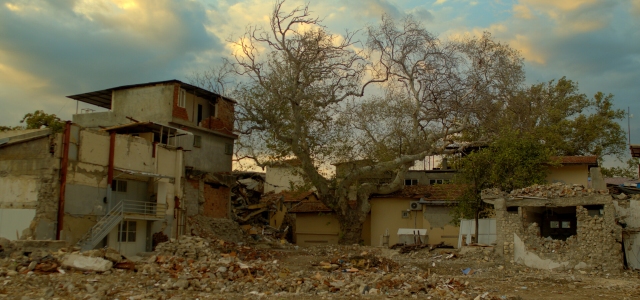
duyguları tetiklemeye neden olur zira Hataydaki 6 Şubat’ta meydana gelen
depremden dolayı sadece anılar değil birçok kültürel mirasımız yerle bir
olmuştur. Ziya Ünsel’in hayattayken basılmış kitapları olmakla birlikte eğitim
şehidi olmasının ardından bastıramadığı eserleri eşi Ayşe Ünsel tarafından
senelerce saklanmıştır. Ayşe Ünsel’in ölmeden önce son vasiyeti kızından
senelerce sakladığı eserlerin korunması olmuştur. Yıllar sonra bir gün, sahaf
işi ile uğraşan Kemal Düz’ün, İskenderun’da Ziya Ünsel’in Hatay hakkında yazdığı
Mutlu Güney kitabı eline geçer ve bu tesadüf onu Nermin Ünsel Ekin’e ulaşmasına
sebep olur ve böylece senelerce muhafaza edilmiş olan kitaplar yeniden basılır
ve Hatay’da okuyucusuyla buluşur. Ziya Ünsel çok yönlü bir karakterdir,
yazardır, şairdir, sporcudur, dönemin kayak sporunu bulunduğu çevrede icra
etmekte ve doğa sporları ile ilgilenmektedir. Özellikle kültür yazarıdır ayrıca
şiirler ve kısa öyküler de yazmaktadır. Döneminin yazarlarıyla iletişim
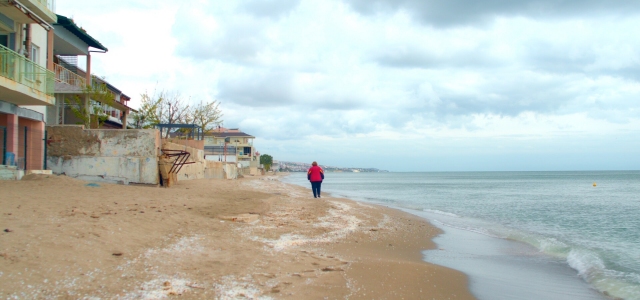
halindedir ve doğadan ve Güney’in doğal güzelliklerinden çok etkilenmiştir.
Antakya’ya Türkçe öğretmeni olarak gitmesi daha sonraları da Güney ile olan
bağının hiç kopmamasına sebep olur. Hatay, Antakya, İskenderun, Arsuz ve
Malatya’da senelerce kalmış bulunduğu çevreye hem spor aktiviteleriyle hem de
gazetelerde yazdığı yazılarıyla sayısız katkılar sağlamıştır. Cumhuriyetin
aydınlanmasında en önemli katkıları öğretmenler yapmıştır. Hem edebiyat hem spor
öğretmeni olan Ziya Ünsel’in eşi Ayşe Ünsel Kimya mühendisidir ve Malatya’daki
Sümerbank fabrikasında boya şefi olarak çalışmaktadır. Film, Cumhuriyet’in yeni
kurulduğu dönemdeki sosyal ve kültürel değerleriyle toplum üzerindeki değişimini
ve bu büyük değişimin mimarları olan öğretmenlerin gayretini, ülke çapında yeni
kurulan fabrikaların bulundukları bölgeye kattığı önemini gözler önüne sererken
yakın geçmişimizi hatırlama refleksini izleyiciyle buluşturuyor. Nermin Ekin’in
Güney hakkında babasına ait yayınlanmamış kitapların yeniden basılması için
çıktığı bu yolculuk aynı zamanda aile içerenindeki geçmişle hesaplaşmaya sebep
olurken özelden genele doğru film katman katman açılarak Cumhuriyetin ilk
dönemleri olan yakın geçmişimizi, ülke coğrafyamızı ve doğa sevgisinin önemini
Ziya Ünsel'in Güney üzerindeki anılarından gözler önüne seriliyor. Depremin
iyice yalnızlaştırdığı bu bölge için önem taşıyor.
Painter Nermin Ekin wants to reprint the unpublished books of her father who a
Republican-era intellectual and education martyr is. Her father Ziya Ünsel went
to Antakya as a volunteer Turkish teacher in the year Hatay was annexed to
homeland and he wrote many books about the Southern. The fact that the books,
each of which is a cultural resource, will be published years later triggers
feelings that are about to be forgotten, because not only memories but also many
of our cultural heritage were destroyed by the earthquake on 6 February.
Although Ziya Ünsel had books published during his lifetime, his works that he
could not publish after he became a martyr of education were kept by his wife
Ayşe Ünsel for years. Ayşe Ünsel's last request before her death was to protect
the works she had kept for years from her daughter. One day, years later, Kemal
Düz, who was working as a bookseller, came across Ziya Ünsel's Mutlu Güney book
about Hatay in İskenderun and this coincidence led him to contact Nermin Ünsel
Ekin, and thus the books that had been kept for years were reprinted and met
with readers in Hatay. Ziya Ünsel is a multifaceted character, he is a writer,
poet, sportsman, practises skiing in his neighbourhood and is interested in
nature sports. He is especially a cultural writer and also writes poems and
short stories. He was in contact with the writers of his time and was fascinated
by nature and the natural beauties of the South. He travelled to Antakya as a
Turkish teacher, which caused him to stay in touch with the South even
afterwards. He stayed in Hatay, Antakya, Iskenderun, Arsuz and Malatya for years
and made countless contributions to his neighbourhood both with his sports
activities and his writings in newspapers. Teachers made the most important
contributions to the enlightenment of the Republic. Ziya Ünsel's wife Ayşe
Ünsel, who was both a literature and sports teacher, was a chemical engineer and
worked as a paint supervisor at the Sümerbank factory in Malatya. The film
reveals the change in the society with its social and cultural values in the
period when the Republic was newly established, the efforts of teachers who were
the architects of this great change, the importance of the newly established
factories across the country to the region where they were located, and brings
the reflex of remembering our recent past to the audience. Nermin Ekin's journey
for the reprinting of her father's unpublished books about Güney also leads to a
reckoning with the past within the family, while the film unfolds layer by layer
from the private to the general, revealing our recent past, which is the early
period of the Republic, our country's geography and the importance of love of
nature through Ziya Ünsel's memories of Southern of Turkey.
Ziya Ünsel’in hayattayken basılmış kitapları olmakla birlikte eğitim şehidi
olmasının ardından bastıramadığı eserleri eşi Ayşe Ünsel tarafından senelerce
saklanmıştır. Ayşe Ünsel’in ölmeden önce son vasiyeti kızından senelerce
sakladığı eserlerin korunması olmuştur. Yıllar sonra bir gün, sahaf işi ile
uğraşan Kemal Düz’ün, İskenderun’da Ziya Ünsel’in Hatay hakkında yazdığı Mutlu
Güney kitabı eline geçer ve bu tesadüf onu Nermin Ünsel Ekin’e ulaşmasına sebep
olur ve böylece senelerce muhafaza edilmiş olan kitaplar yeniden basılır ve
Hatay’da okuyucusuyla buluşur. Ziya Ünsel çok yönlü bir karakterdir, yazardır,
şairdir, sporcudur, dönemin kayak sporunu bulunduğu çevrede icra etmekte ve doğa
sporları ile ilgilenmektedir. Özellikle kültür yazarıdır ayrıca şiirler ve kısa
öyküler de yazmaktadır. Döneminin yazarlarıyla iletişim halindedir ve doğadan ve
Güney’in doğal güzelliklerinden çok etkilenmiştir. Antakya’ya Türkçe öğretmeni
olarak gitmesi daha sonraları da Güney ile olan bağının hiç kopmamasına sebep
olur. Hatay, Antakya, İskenderun, Arsuz ve Malatya’da senelerce kalmış bulunduğu
çevreye hem spor aktiviteleriyle hem de gazetelerde yazdığı yazılarıyla sayısız
katkılar sağlamıştır. Cumhuriyetin aydınlanmasında en önemli katkıları
öğretmenler yapmıştır. Hem edebiyat hem spor öğretmeni olan Ziya Ünsel’in eşi
Ayşe Ünsel Kimya mühendisidir ve Malatya’daki Sümerbank fabrikasında boya şefi
olarak çalışmaktadır. Film, Cumhuriyet’in yeni kurulduğu dönemdeki sosyal ve
kültürel değerleriyle toplum üzerindeki değişimini ve bu büyük değişimin
mimarları olan öğretmenlerin gayretini, ülke çapında yeni kurulan fabrikaların
bulundukları bölgeye kattığı önemini gözler önüne sererken yakın geçmişimizi
hatırlama refleksini izleyiciyle buluşturuyor. Nermin Ekin’in Güney hakkında
babasına ait yayınlanmamış kitapların yeniden basılması için çıktığı bu yolculuk
aynı zamanda aile içerenindeki geçmişle hesaplaşmaya sebep olurken özelden
genele doğru film katman katman açılarak Cumhuriyetin ilk dönemleri olan yakın
geçmişimizi, ülke coğrafyamızı ve doğa sevgisinin önemini Ziya Ünsel'in Güney
üzerindeki anılarından gözler önüne seriliyor. Depremin iyice yalnızlaştırdığı
bu bölge için önem taşıyor.
Painter Nermin Ekin wants to reprint the unpublished books of her father who a
Republican-era intellectual and education martyr is. Her father Ziya Ünsel went
to Antakya as a volunteer Turkish teacher in the year Hatay was annexed to
homeland and he wrote many books about the Southern. The fact that the books,
each of which is a cultural resource, will be published years later triggers
feelings that are about to be forgotten, because not only memories but also many
of our cultural heritage were destroyed by the earthquake on 6 February.
Although Ziya Ünsel had books published during his lifetime, his works that he
could not publish after he became a martyr of education were kept by his wife
Ayşe Ünsel for years. Ayşe Ünsel's last request before her death was to protect
the works she had kept for years from her daughter. One day, years later, Kemal
Düz, who was working as a bookseller, came across Ziya Ünsel's Mutlu Güney book
about Hatay in İskenderun and this coincidence led him to contact Nermin Ünsel
Ekin, and thus the books that had been kept for years were reprinted and met
with readers in Hatay. Ziya Ünsel is a multifaceted character, he is a writer,
poet, sportsman, practises skiing in his neighbourhood and is interested in
nature sports. He is especially a cultural writer and also writes poems and
short stories. He was in contact with the writers of his time and was fascinated
by nature and the natural beauties of the South. He travelled to Antakya as a
Turkish teacher, which caused him to stay in touch with the South even
afterwards. He stayed in Hatay, Antakya, Iskenderun, Arsuz and Malatya for years
and made countless contributions to his neighbourhood both with his sports
activities and his writings in newspapers. Teachers made the most important
contributions to the enlightenment of the Republic. Ziya Ünsel's wife Ayşe
Ünsel, who was both a literature and sports teacher, was a chemical engineer and
worked as a paint supervisor at the Sümerbank factory in Malatya. The film
reveals the change in the society with its social and cultural values in the
period when the Republic was newly established, the efforts of teachers who were
the architects of this great change, the importance of the newly established
factories across the country to the region where they were located, and brings
the reflex of remembering our recent past to the audience. Nermin Ekin's journey
for the reprinting of her father's unpublished books about Güney also leads to a
reckoning with the past within the family, while the film unfolds layer by layer
from the private to the general, revealing our recent past, which is the early
period of the Republic, our country's geography and the importance of love of
nature through Ziya Ünsel's memories of Southern of Turkey.