Yapım Tarihi - 2022
Süre - 01:00:00
Format - Uzun Belgesel, Renkli, Kürtçe
Yönetmen - Pınar Öğrenci
Senarist - Pınar Öğrenci
Görüntü Yönetmeni - Ercan Yılmaz, Pınar Öğrenci
Kurgucu - Eytan İpeker, Pınar Öğrenci
Özgün Müzik - Hayrik Mouradian
Yapımcı - Pınar Öğrenci
Dünya Hakları - Pınar Öğrenci
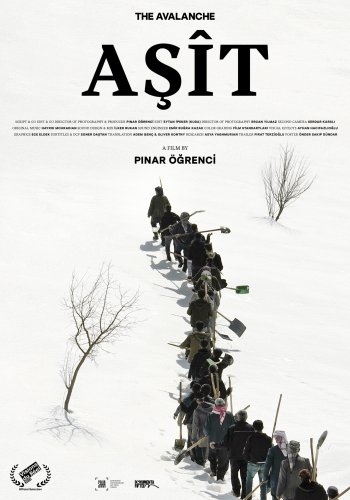
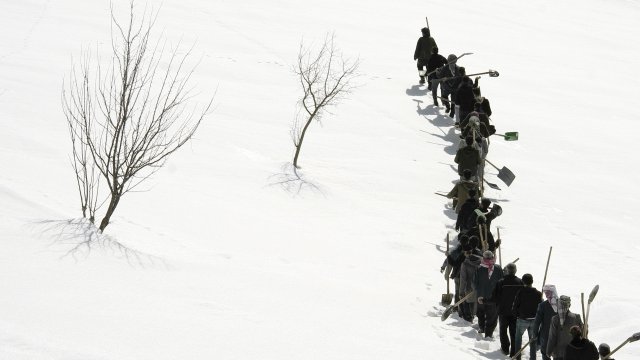
Van’ın güneyindeki dağlık bir bölgenin el değmemiş bir noktası olan Müküs’te
(Türkçe Bahçesaray, Ermenice Moks) aşırı kar yağışı bölge sakinlerinin seyahat
etmesini engeller. Dağların zirvelerini kaplayan kalın ve tehlikeli kar
tabakası, Kürtçe "aşît" kelimesinin çifte anlamını hatırlatır - çığ ve felaket;
çığ tehdidi ve Ermenilerin "Meds Yeghern’’ olarak andıkları 1915’teki "Büyük
Felaket".
Aşît, Stefan Zweig’ın, satrancın faşizm karşısında bir hayatta kalma
mekanizmasına dönüştüğü psikolojik gerilim romanı Satranç’tan (Schachnovelle,
1941) esinleniyor. Filmin yönetmeni Pınar Öğrenci, Ermeniler için bir sembol
şehir olan doğup büyüdüğü Van şehrinin ücra bir bölümünde, Ermeni toplumunun
coğrafya, alışkanlıklar, gelenek, dil ve anılarda bıraktığı iz ve travmaları
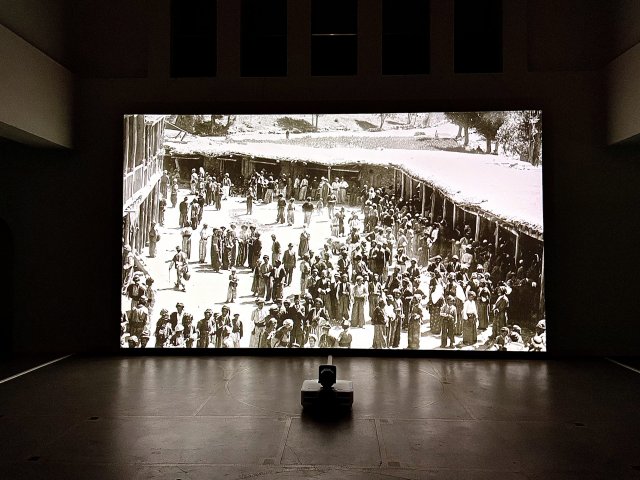
ortaya çıkarmak için sözlü anlatılardan, fotoğraf arşivlerinden ve güncel
görüntülerden yararlanıyor. Manzaranın buz gibi güzelliğinin görünüşteki
sükûneti, Ermeni sürgün müzisyen, Vanlı Hayrik Muradyan’ın eşsiz şarkılarıyla
bozuluyor.
Displacement, migration, survival, and resistance are cornerstones of Pınar
Öğrenci’s documentary-based films and installations. Driving her works are
difficult, everyday struggles: the stories she hears, observes, experiences,
collects, and documents from different geographies. In earlier works, Öğrenci
followed the rarely-spoken stories of migrating communities around the
Mediterranean, the Aegean, and in Berlin. For her new film, commissioned by
documenta fifteen, Öğrenci returns to her father’s hometown, Müküs an untouched
spot within a mountainous region in southern Van. On Turkey’s border with Iran,
this former capital of the Urartian civilization and the Armenian Vaspuragan
dynasty has a dense urban population of mainly Kurdish speaking communities
today. Müküs is known as Bahçesaray for the Turkish, Moks for the Armenian and
Müküs or Miksi for the Kurdish.
‘Aşît’ is inspired by Stefan Zweig’s final novella The Royal Game (Schachnovelle,
1941) – a psychological thriller in which chess becomes a survival mechanism in
the face of fascism. Meaning avalanche and disaster in Kurdish, ‘Aşît’ refers
both to the threat of avalanche that disconnects Müküs from the rest of the
world and to ‘Meds Yeghern’ (The Big Disaster) in 1915. Öğrenci turns towards
Hayrik Muradian, an Armenian musician who had to escape Van in 1918 to hear the
impressive landscape of Müküs. She traces everyday survival strategies and
cultural traces of Müküs people under the pressure of state and religion with
the songs Muradian collected from his homeland.
43. İstanbul Film Festivali, Belgesel Kuşağı Bölümü, Gösterim Seçkisi. 2024