Yapım Tarihi - 2024
Süre - 00:24:59
Format - Kurmaca, Renkli, Türkçe
Yönetmen / Director - Onur Doğan
Senarist / Writer - Ömer Seyfettin, Onur Doğan
Yapımcı / Producer - Onur Doğan, Kerem Kurtuluş
Story by - Ömer Seyfettin
Cinematographer - Ece Latifaoğlu
Production Designer - Yiğit Uzunefe
Editor - Onur Doğan
Original Music - Esin Aydıngöz
Associate Producers: Aleyna Ulusoy
Executive Producers - Emre Akbulut & M. Kerem Kurtuluş
1st Assistant Director - Deniz Ege Tuna
2nd Assistant Director - Şule Tekin
3rd Assistant Director - Muhammed Emin Öztürk
1st Assistant Camera - Ercan Kirsiz
2nd Assistant Camera - Ayhan Kahraman
3rd Assistant Camera - Tahir Emre Özder
Gaffer - Adem Başkurt
Key Grip - Bülent Zandallı
Costume Designer - Çiğdem Karavit
Hair and Makeup Artist - Hazal Tanrıverdi
Supervising Sound Editor - Can Ülgenci
Re-recording Mixer - Efe Ezercan
Sound Design & Foley Artist - Mine Pakel
Sound Recordist - İlkin Kitapçı
Boom Operator - Zeynel Demir
Colorist - Buğra Balcı
Visual Effects Artist - Berk Vatansever
Music Mixing - Aral Yüce
Violin - Mark Robertson
Cello - Jacob Braun
Mandolin - Connor Cook
Key Production Assistant - Fatih Aysöndü
Production Assistant - Mustafa Adak
Production Assistant - Emre Ordu
Producer's Assistant - Emirhan Kasar
Key Art and Poster Design - Berkcan Okar, Yer Creative
Ana Karakterler / Key Cast
Magda - Ece Bozkaya
Raçof - Ozan Ayhan
Boris - Onur Doğan
Sandre - Ercan Reşat Demir
Pançe - Orçun Oran
Melina - Gözde Kocaoğlu
Kid - Göktürk Alpaslan
Father Istoyan - Zafer Diper
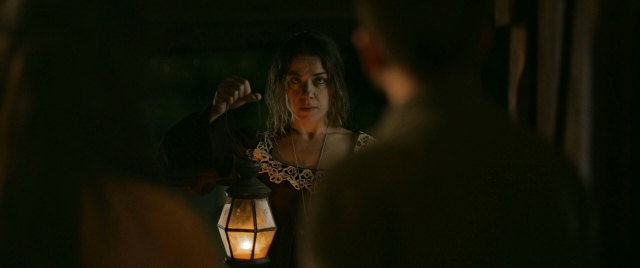
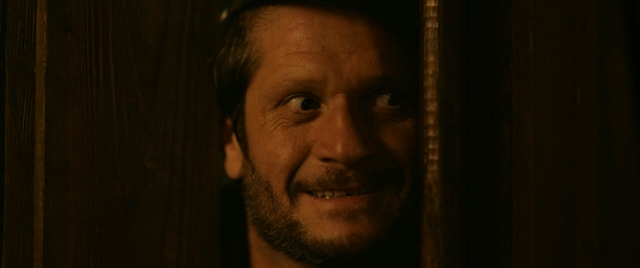
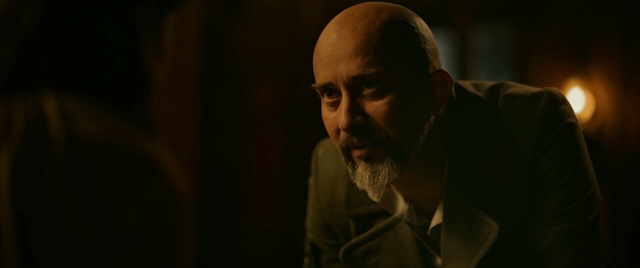
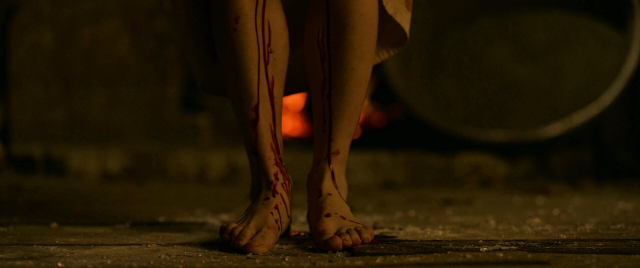
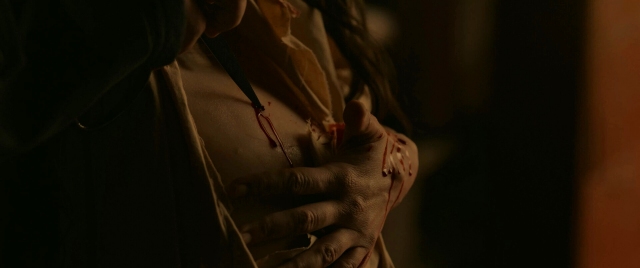
In the Balkan region, where lawlessness prevailed during the war, a man receives
a threatening death letter from the gang he used to be a member of. Thereupon,
he plans to escape to America with his pregnant wife. On the last night, after
being threatened by the gang, the man leaves the house to persuade the gang
members, but does not come back. Instead, an hour later, gang members enter the
house.The gang leader starts a game in which he tells the woman that if she
fulfills his wishes, she can see her husband again as a reward.
In the Balkan region, where lawlessness prevailed during the war, a man receives
a threatening death letter from the gang he used to be a member of. Thereupon,
he plans to escape to America with his pregnant wife. On the last night, after
being threatened by the gang, the man leaves the house to persuade the gang
members, but does not come back. Instead, an hour later, gang members enter the
house.The gang leader starts a game in which he tells the woman that if she
fulfills his wishes, she can see her husband again as a reward.
“Bomba” hikâyesinde; Bulgar askerlerin acımasızlıkları, emellerine ulaşmak için
başvurdukları kötülüklerin boyutları, realist bir bakış açısıyla yansıtılır.
Hikâyede kötülük, baskın unsurların siyasi ve fikrî ayrılıklarla toplumsal
düzeni yıkarak fertlerin maddi ve manevi güçlerini tahakküm altına alması;
şiddet, taciz, zorbalık ve katliamla iyiliği / iyi olanı yok ederek kötüyü /
kötülüğü hâkim kılma çabaları bağlamında ön plana çıkar. Şiddet, baskı ve
eziyet, bu hikâyede kötülüğün ölümcül yönünün farklı cephelerini oluşturur.
Tevrat’ın on emrinden biri olan “Öldürmeyeceksin!” emrinin çok katmanlı bir
anlama sahip olduğunu vurgulayan Şimşon, bir insanı veya toplumu katletmenin
“incitmek, onurunu kırmak, aynıya indirgemek, başkalığını yok etmek, canını
almak” gibi birçok anlamı olduğunu bildirir. “Bomba” hikâyesinde, kişilerin
sosyal yaşam ve siyasi görüş tercihleri nedeniyle hain ilan edilmeleri, şahsi
mal varlıklarını diledikleri gibi kullanamamaları, kişisel hak ve özgürlüklerin
ölümü; şiddet, taciz, tehdit gibi eylemler ise ruhsal ölümü temsil eder.
Bedensel ölüm ise kötülüğün doruk noktasını oluşturur. Ayrılıkçı düşüncelerle
yeni bir devlet kurma hayali peşinde örgütlenen komita ve çeteler, hedeflerine
ulaşabilmek için Balkanlar’da yaşayan Türk ve Müslüman topluluklarının yanı sıra
kendileriyle aynı emelleri ve siyasi görüşü pay3 Makedonya’daki Bulgar komita ve
çetelerinin faaliyetleri için Hristiyan halkı da acımasızca katlederler. Otuz
yaşlarında bir genç bir sosyalist olan Boris, Sofya’dan köylerine gelen bir
papazdan ders alır ve hocasının tavsiyesiyle Sofya’ya gider. Beş yıl sonra
köyüne döndüğünde ailesiyle yaşamayıp dağa çekilir. Meşrutiyet’in ilanından
sonra şehre geri dönüp silahını devlete teslim eden Boris, köy mektebinde
öğretmenlik yapan Magda ile evlenir. Magda ve Boris, çalışmanın önemine inanan
sosyalist bir çifttir lakin ihtilal komitacıları halkın alın teriyle kazandığı
her şeyi ellerinden almakta ve sürekli onları ölümle tehdit etmektedirler.
İhtilal komitaları Boris’i sosyalist olduğu için düşman olarak görür ve onu hain
ilan ederler. Makedonya’da yaşayamayacaklarını anlayan Boris, yaşlı babası
İstoyan’ın tüm mal varlığını satıp Amerika’ya yerleşme hayali kurar. Baba
İstoyan’ın tüm servetinin satıldığını öğrenen komitacılar, hain bir planla
Boris’i tuzağa düşürüp hem babasına şiddet uygularlar hem de yedi aylık hamile
eşi Magda’yı tehditlerle taciz edip aşağılarlar. Komitacılar, Boris’i öldürmeyip
serbest bırakacaklarını söyleyerek karşılığında ailenin tüm servetini alsalar da
yanlarında getirip bomba diye Magda’ya teslim ettikleri “siyah beze sarılı
yuvarlak şey” Boris’in başıdır. Hikâyede kötücül tipleri temsil eden Kaptan
Raçof, Pançe ve Sandre adlı komitacıların eylemleri, kötülüğün ahlaki ve vicdani
sınır tanımadığını gösterir. Nitekim elde etmek istedikleri serveti zorbalıkla
almaları mümkünken kötülüğün boyutlarını artırarak savunmasızlıkları nedeniyle
masum / kurbanı temsil eden Boris ve ailesi karşısında şiddet ve vahşetten haz
alan ölümcül kimliklere bürünürler.
In the story "Bomb"; The brutality of the Bulgarian soldiers and the extent of
the evil they resorted to in order to achieve their goals are reflected from a
realistic point of view. The evil in the story, the domination of the material
and spiritual powers of the individuals by destroying the social order with
political and intellectual differences by the dominant elements; comes to the
fore in the context of efforts to make the bad / evil dominate by destroying the
good / good with violence, harassment, bullying and massacre. Violence,
oppression, and persecution form different facets of the deadly side of evil in
this story. "Thou shalt not kill," one of the ten commandments of the Torah.
Emphasizing that the commandment has a multi-layered meaning, Samson states that
killing a person or society has many meanings such as "hurting, humiliating,
reducing to the same, destroying his otherness, taking his life". In the story "Bomb",
people's being declared traitors due to their social life and political views,
their inability to use their personal assets as they wish, the death of personal
rights and freedoms; Actions such as violence, harassment, and threats represent
spiritual death. Bodily death is the pinnacle of evil. The komita and gangs,
which were organized in pursuit of the dream of founding a new state with
separatist ideas, brutally murder the Turkish and Muslim communities living in
the Balkans, as well as the Christian people for the activities of the Bulgarian
komita and gangs in Macedonia who share the same ambitions and political views3
in order to achieve their goals. a thirty one year old Boris, a young socialist,
takes lessons from a priest who comes to their village from Sofia and goes to
Sofia with the advice of his teacher. When he returns to his village after five
years, he does not live with his family and retreats to the mountain. Returning
to the city after the proclamation of the Second Constitutional Monarchy and
handing over his weapon to the state, Boris marries Magda, who is a teacher in
the village school. Magda and Boris are a socialist couple who believe in the
importance of work, but the revolutionaries take away everything the people earn
with their hard work and constantly threaten them with death. Revolutionary
committees see Boris as an enemy because he is a socialist and declare him a
traitor. Realizing that they cannot live in Macedonia, Boris dreams of selling
all of his old father's property and settling in America. Learning that all of
Baba Istoy's wealth has been sold, the komitacilar trap Boris with a treacherous
plan and both inflict violence on his father and harass and humiliate his seven-month
pregnant wife Magda with threats. Although the Komitacilar claimed that they
would not kill Boris and release him, they took all the wealth of the family in
return, but the "round thing wrapped in black cloth" they brought with them and
handed over to Magda as a bomb is Boris's head. The actions of the komitaci,
Captain Racof, Pançe and Sandre, who represent the evil types in the story, show
that evil is moral and ethical. It shows that his conscience knows no bounds. As
a matter of fact, while it is possible to get the wealth they want to acquire by
violence, they increase the dimensions of evil and assume deadly identities that
take pleasure from violence and brutality in the face of Boris and his family,
who represent the innocent / victim due to their vulnerability.