Yapım Tarihi - 2026
Süre - 00:08:37
Format - Belgesel, Renkli, Türkçe
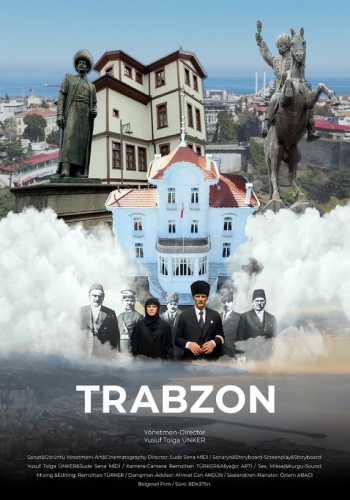
Yönetmen / Director - Yusuf Tolga Ünker
Senarist / Writer - Yusuf Tolga Ünker, Sude Sena Midi
Yapımcı / Producer - Yusuf Tolga Ünker
Art Director - Sude Sena Midi
Cameraman - Remzihan Türker
Sound - Remzihan Türker
Editing - Remzihan Türker
2nd Cameraman - Ali Yağız Apti
Advisor - Ahmetcan Akgün
Voice - Özlem Abacı
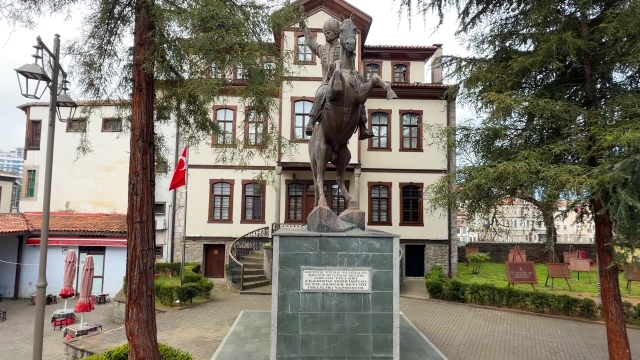
Karadeniz kıyısındaki gün doğumu ve Uzun Sokak’taki sabah telaşıyla başlayan
yolculuk, ilk olarak kamerasını 1900’lerin başında inşa edilen ve şehrin
kültürel hafızasının saklandığı yer olan Kostaki Konağı’na (Trabzon Müzesi)
çeviriyor. Buradan, şehrin adı olan “Trapezos” (masa) kelimesine ilham veren
coğrafi yerleşim yeri Ortahisar’a doğru bir köprü kuruluyor. Kamera, Tabakhane
ve Zağnos köprülerinin üzerinden geçerken, Antik Roma ve Bizans’tan izler
taşıyan Trabzon’un en eski yerleşim yerlerinin arnavut kaldırımlı sokakları
keşfediliyor.
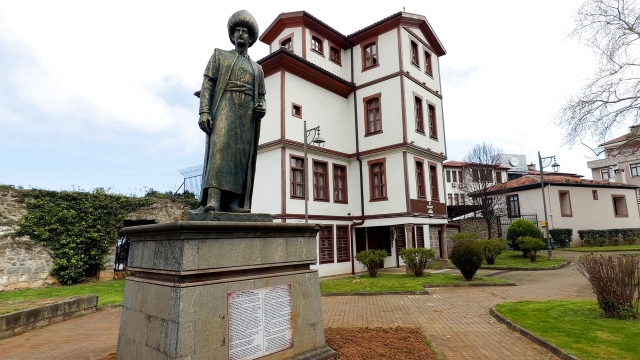
Anlatım, Osmanlı İmparatorluğu’nun ihtişamlı dönemine uzanıyor ve Fatih Sultan
Mehmet, Gülbahar Hatun ile Kanuni Sultan Süleyman’ın doğduğu evle devam ediyor.
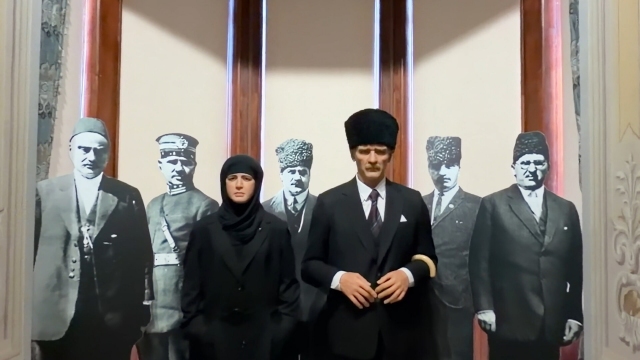
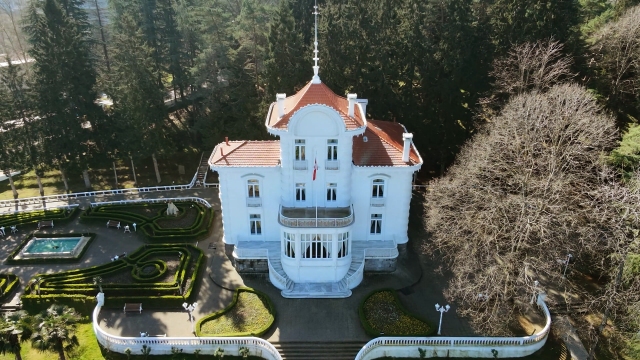
Şehrin tarihsel yelpazesi daha sonra Cumhuriyet dönemine uzanır; izleyiciler,
mimari estetiğiyle göz kamaştıran ve Mustafa Kemal Atatürk’ün anılarını taşıyan
Atatürk Konutu’na davet edilir. Yolculuğun son tarihi durağı, Boztepe
yamaçlarının sessizliğine gömülmüş, 14. yüzyıldan kalma Kızlar Manastırı’dır.
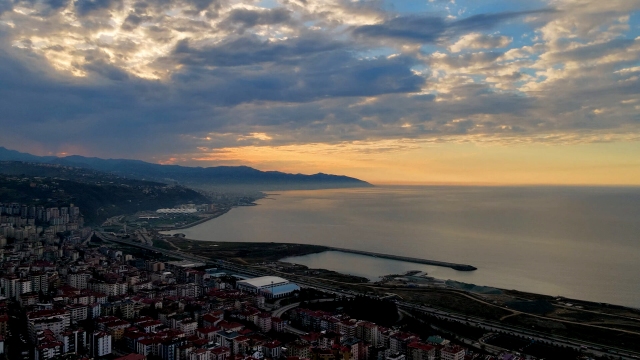
Tüm bu tarihi simge yapıların ardından belgesel, şehrin en yüksek noktası olan
Boztepe’ye ulaşır. Trabzon’u kuşbakışı gören bu manzaralı noktada hikâye,
Karadeniz’in üzerinde süzülen büyüleyici bir gün batımı eşliğinde sona erer.
Finalde, Trabzon’daki tarihin asla bitmediği, sadece nesiller boyunca
anlatılmaya devam ettiği vurgulanır.
The journey, beginning with the sunrise over the Black Sea coast and the morning
bustle of Uzun Sokak, first turns its camera toward the Kostaki Mansion (Trabzon
Museum), built in the early 1900s and serving as a repository for the city's
cultural memory. From here, a bridge is built toward Ortahisar, the geographical
settlement that inspired the city’s name, "Trapezos" (table). As the camera
passes over the Tabakhane and Zağnos bridges, the cobblestone streets of
Trabzon's oldest settlements, bearing traces of Ancient Rome and Byzantium, are
explored.
The narrative extends into the glorious era of the Ottoman Empire, continuing
with Fatih Sultan Mehmet, Gülbahar Hatun, and the house where Suleiman the
Magnificent was born. The historical spectrum of the city then reaches into the
Republican era; the audience is invited to the Atatürk Mansion, which dazzles
with its architectural aesthetics and carries the memories of Mustafa Kemal
Atatürk. The final historical stop of the journey is the 14th-century legacy of
the Girls' Monastery (Kızlar Manastırı), nestled in the silence of the Boztepe
hillsides.
Following all these historical landmarks, the documentary reaches Boztepe, the
highest point of the city. At this vantage point, which offers a bird's-eye view
of Trabzon, the story concludes accompanied by a mesmerizing sunset drifting
over the Black Sea. In the finale, it is emphasized that history in Trabzon
never ends; it simply continues to be told through the generations.