Yapım Tarihi - 2024
Süre - 00:19:59
Format - Belgesel, Renkli, Türkçe
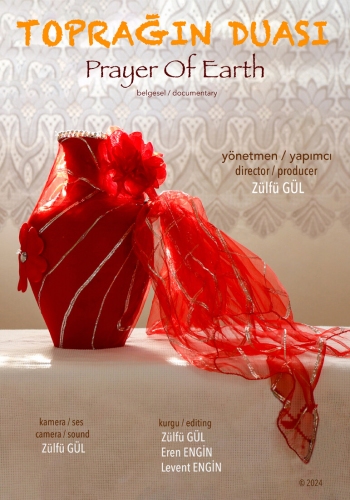
Yönetmen / Director - Zülfü Gül
Senarist / Writer - Zülfü Gül
Yapımcı / Producer - Zülfü Gül
Görüntü Yönetmeni / Cinematography - Zülfü Gül
Kurgu / Editor - Zülfü Gül, Eren Engin, Levent Engin
Ana Karakter / Key Cast
Eyüp Makal, Yasin Makal, Yusuf Makal, Danyal Makal, Eyüpcan Makal
İnsanlık tarihi kadar eski fakat günümüzde ustası yok denecek kadar azalan ve
buna bağlı olarak kaybolmaya yüz tutan çömlek/testi yapma geleneği ile
düğünlerde testi kırma geleneği Anadolu’da yer etmiş, birbirini besleyen iki
kadim kültürel öğedir. Bu geleneklerden biri ortadan kalkar ise diğeri de yok
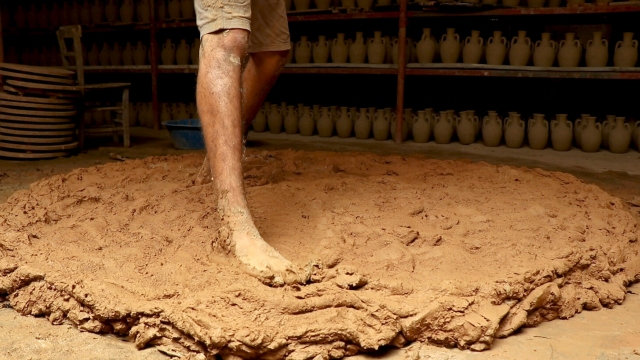
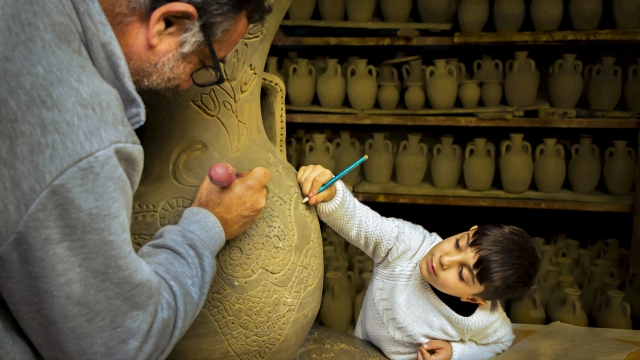
olacaktır. Belgeselde “cere” olarak adlandırılan ve tamamen el yapımı olan
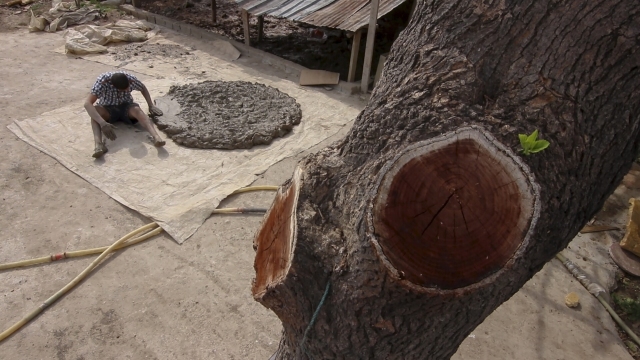
çömlek üretiminin, başından sonuna kadar yapım aşamalarına yer verilmektedir. Bu
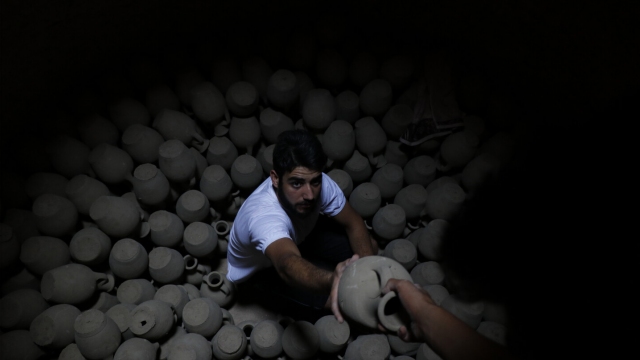
aşamaları seyrederken, aynı anda cereciliği gönülden gerçekleştiren Tarsuslu bir
ailenin hikâyesine de tanık olmaktayız.
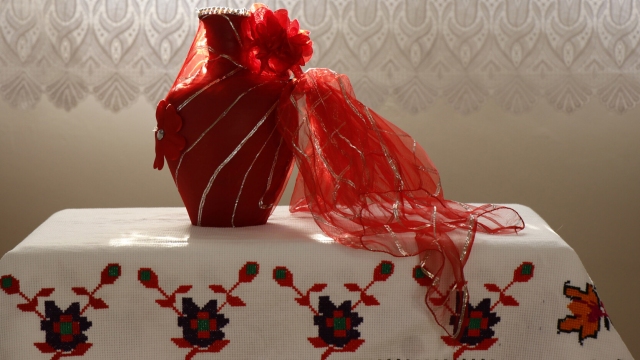
Bununla birlikte Anadolu’nun bazı bölgelerinde içi şekerle doldurularak
düğünlerde, evlenen çiftlere şans ve bereket getirmesi amacıyla gelin tarafından
testi kırılması geleneğini de tanımaktayız. Toprağın Duası, birbirinden bağımsız
ve farklı amaçlarla sürdürülen iki geleneğin aslında birbirine ne kadar bağlı ve
iç içe olduğunu kültürel, felsefi ve manevi temelde göstermektedir.
The tradition of making pottery, which is as old as human history but has
declined so much that there is no master today and is therefore about to
disappear, and the tradition of breaking the pot at weddings are two ancient
cultural elements that have taken place in Anatolia that feed each other. If one
of these traditions disappears, the other will also disappear. In the
documentary, the production stages of the pottery, which is called ”cere" and is
completely handmade, are shown from the beginning to the end. While watching
these stages, we are also witnessing the story of a Tarsus family that performs
cerecism wholeheartedly at the same time. However, in some regions of Anatolia,
we also recognize the tradition of breaking the pot by the bride in order to
bring luck and blessings to married couples at weddings by filling it with sugar.
The Prayer of the Land shows how connected and intertwined the two traditions,
which are carried out independently of each other and for different purposes, on a
cultural, philosophical and spiritual basis.