Yapım Tarihi - 2021
Süre - 00:08:32
Format - Belgesel, Renkli, Türkçe
Yönetmen - Zeynep Dilara Aksoy
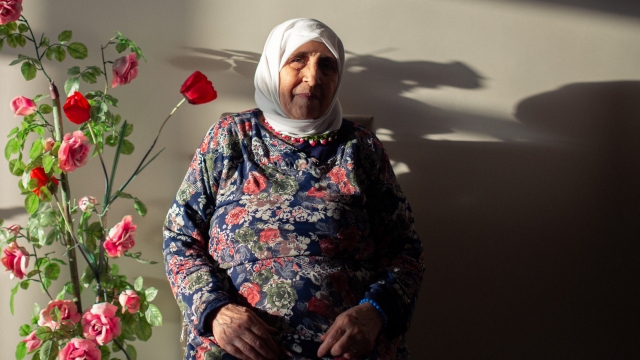
Sinopsis: Torun Zeynep Dilara, ananesi Munise’yi ilk kez türkü söylerken
duyduğunda yaşadığı şaşkınlığı herkesin yaşamasını ister ve sahneyi Munise’nin
sesiyle açar. Tükü “bir yandan ayrılık bir yandan yokluk...” sözleriyle akarken
Munise Şile isimli köy yemeğini pişirmektedir. Bu yemek Munise'nin henüz küçük
bir kız çocuğu olduğu zamanlarda pişirmeye başladığı bir yemektir. Zeynep Dilara
ananesi Munise’ye bu yemeğe verilen Şile isminin nereden geldiğini sorar ve
Munise hikayeye başlar. Türküsünde de yer alan “yokluk” Munise’nin geldiği yerde
çok önemli bir kavramdır. Munise Türkiye'nin doğu illerinden Erzurum'da doğmuş,
yaşamış, başkent olan Ankara'ya sonradan göçmüştür. Bu yemek de, Kurtuluş Savaşı
zamanlarının Türkiye Kadını için, çok önemli bir temsil niteliğindedir. Savaş
sonrası yokluk, mutfak ekonomisini çok sert etkiler ve kadınlar az malzemeyle
doyurucu, sağlıklı öğünler pişirebilmek için büyük mücadele verir. Bu sebeple
Munise ve Zeynep Dilara Şile yemeğinin adının Çile kelimesinden türediğine
inanmaktadır. Ankara'ya ilk göçtüğünde büyük şehir yaşamına adapte olmakta
zorlanan Munise, küçük balkonunda köyündeki toprağının verimli hasatını ve
bereketini yaşatmaya çalışmıştır. Bugün hala dev beton binalar ve her yeri saran
marketler arasında kendi gıdalarını, yazlık ve kışlık gıda stoklarını üretmeye
devam etmeye çalışmaktadır. Ancak alan yetersizdir. Munise hala toprağından
masasına gelen tanıdık ham maddelerin özlemini çekmektedir. Şehir ve market
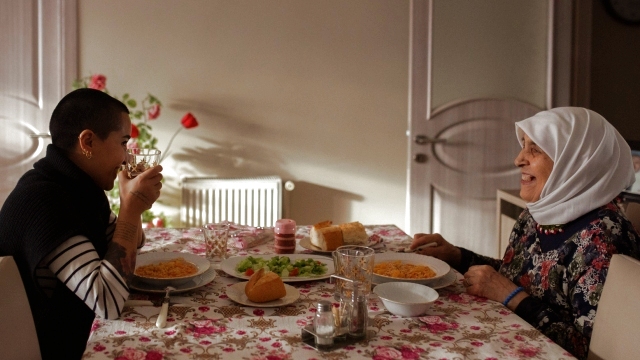
ürünlerinin bir tadı yoktur Munise için. Şile piştikten sonra Zeynep Dilara ve
Munise, yemek için masada yerlerini alır ve karşılıklı sohbete başlarlar.
Ananesinin sesini duyduktan sonra Zeynep Dilara'nın aklında bir soru
belirmiştir. ''Acaba Munise bu güzel sesi ile sahnede performans sergilemeyi
hayal etmiş miydi?'' Doğru anı bulduğunda soruyu Munise'ye iletir ve “evet”
yanıtını alır. Munise'nin samimi açıklamaları, eğer bambaşka şartlarda yaşamış
olsaydı, mutlaka profesyonel olarak müzikle ilgileneceğini, sahneye çıkacağını
gösterir. Belki de bu gerçek ilk kez sesli bir şekilde dile getirilmiştir. Bu
sebeple Munise hemen konuyu değiştirir ve Zeynep Dilara'nın filmi kaydederkenki
sanatsal yaklaşımıyla ilgili sorular sormaya başlar. Munise torununun doğru
zamanda doğru çekimi yapabilmesi için masada çok uzun süre yemek yemeye devam
etmiştir ve bu onu yormuştur. Munise hem çok neşeli ve şakacı hem de içinden
geleni hemen söyleyen biridir ve torununa kendi usulünde ''Artık Yeter'' der. O
andan itibaren kameranın aralarındaki varlığını daha fazla umursayamazlar. Filmi
ve her şeyi bir kenara bırakıp kahkahalarla masadan ayrılırlar.
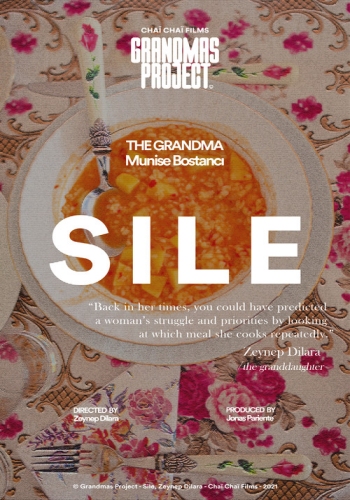
Logline: “Back in her times, you could have predicted a woman’s struggle and
priorities by looking at which meal she cooks repeatedly.” Synopsis: Zeynep
Dilara, the granddaughter of Munise wants everyone to experience the amazement
that she did when she first heard her grandmother Munise singing an old Turkish
folk song. The opening scene starts with Munise’s singing. While the lyrics flow
:Separation on one side, deficit on the other., Munise is cooking a Şile – a
meal typical for her region. She learned how to do it when she was a little girl.
It was when Zeynep Dilara asked her grandmother Munise why was the meal called
Şile, when Munise started telling the story. The “deficit” that Munise was
singing about in her song, is an important concept in the region from where she
came from. She was born and bred in an eastern Turkish city – Erzurum.
Afterwards, she moved to Ankara – the capital of Turkey. This food represents
the Turkish woman during Turkish Independence war. Postwar deficit effected
kitchen budget severely, whereas women struggle to cook food with as little
ingredients as possible, which will still be hearty and nutritive. This is why
Munise and Zeynep Dilara come to the conclusion that the name of the food “Şile”
actually derived from Çile. When Munise first moved to Ankara, to overcome the
difficulty of adaptation to city life, she succeeded cultivating from the garden
she established on her small balcony. Even today, between concrete houses and
super-markets on each step, she continues to prepare her own winter and summer
food stock. However, the space is limited. Munise still misses the taste of
those raw products that grew on her homeland’s soil. She thinks that the
products in city super markets are tasteless After Şile is cooked, Zeynep Dilara
and her grandmother Munise sit around the dining table and start chatting. After
hearing her grandmother’s voice Zeynep Dilara wonders if Munise ever pictured
herself on a stage, performing. Zeynep Dilara patiently waits for the right
moment and asks the question. Munise says that she indeed did imagine having a
stage performance. She confesses that if she had lived in different life
conditions, she would definitely have pursued music and stage life. This
confession comes out loud for the first time. Munise changes the subject and
asks Zeynep Dilara about her artistic approach to the documentary she is making.
Munise patiently sits at the dining table and keeps eating on and on to make
sure that her granddaughter is able to shoot from all the right angles. This
tired her. Munise is the most fun and outspoken person in the world. And she
says “enough” in her own way. That moment was when they both didn’t care about
the camera anymore. Logline: “Onun zamanında, bir kadının mücadelesini ve
önceliklerini, sürekli pişirdiği yemeğe bakarak tahmin edebilirdiniz.”
7. Türk Dünyası Belgesel Film Festivali, Yarışma Filmi. 2022