Yapım Tarihi - 2023
Süresi - 00:11:46
Format - Belgesel, Renkli, Türkçe
Yönetmen - Tuğçe Talkan
Yapımcı - Tuğçe Talkan
Senaryo - Tuğçe Talkan
Görüntü Yönetmeni - Salih Köroğlu
Kurgu Operatörü - Salih Köroğlu, Tuğçe Talkan
Çadırlarda kalmaya devam ederek göçebe yaşamı sürdüren akrabalarım sayesinde
yüzyıllardır koruduğumuz kültürel mirasımızın içinde yaşama fırsatı buldum. Bu
durum maddi ve manevi kültür öğelerine karşı beni çok duyarlı kıldı.
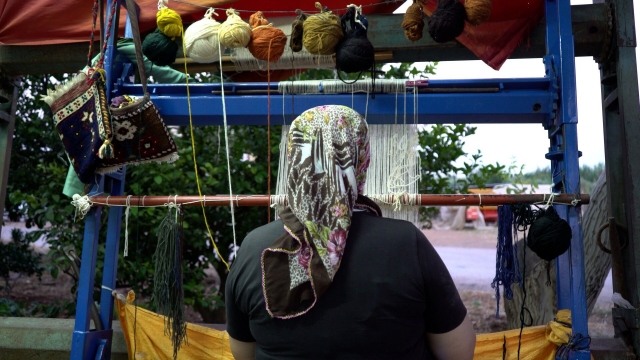
Üniversitedeki ilk araştırmalarım yörük kültürü üstüneydi. Belgeselime konu olan
kök boyası ve el dokuma yöntemi ile üretilmiş kilimler yörük kültürünün en canlı
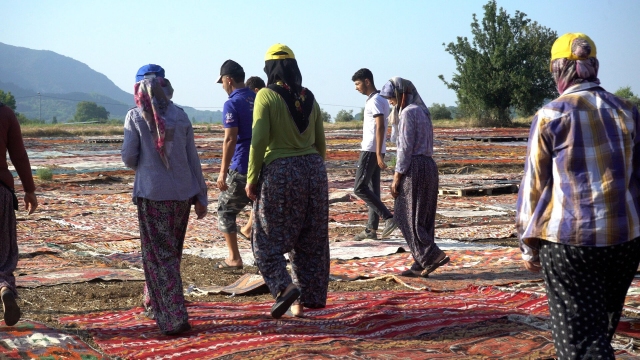
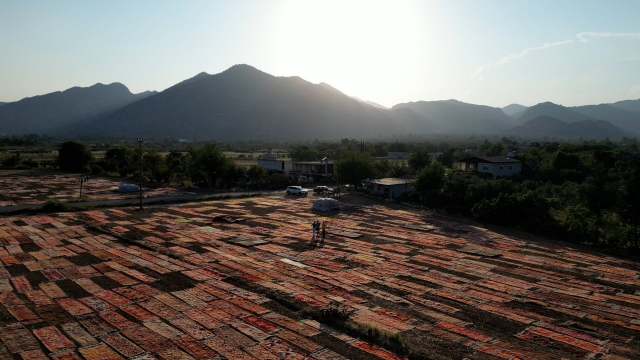
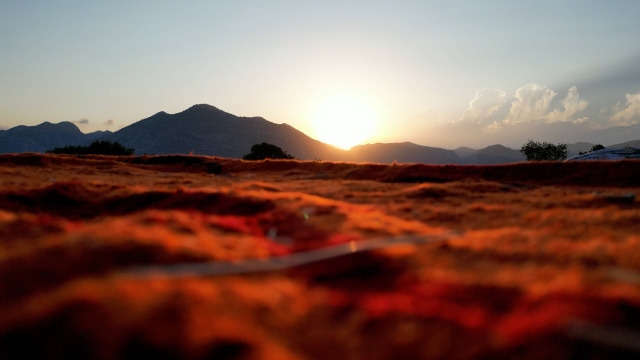
ve renkli parçalarından. Halılar pastel rengine kovuşması için güneşe
bırakılıyor. Tarlalara serilmiş binlerce halı estetik açıdan bize mest edici bir
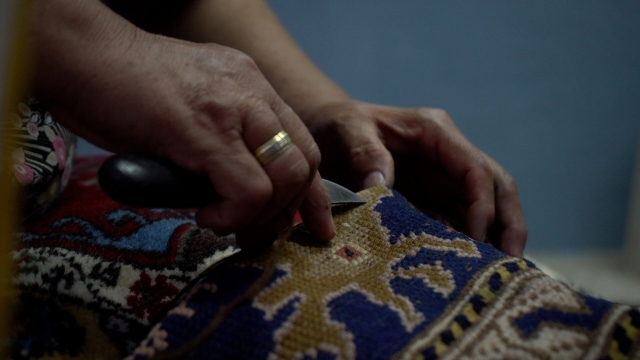
manzara sunuyor. Bu aşamaya gelene kadar ipliğin üretilmesi, boyanması ve
dokunması için yöre halkı çok fazla alın teri döküyor sürecin sonunda yüzyıllar
önce atalarımızın zihninde oluşan desenlere bakabilme fırsatını bize sunuyorlar.
Filmde kuşaktan kuşağa aktarılan bilgilerle bu desenlerin şifreleri çözmeye
çalıştık. Sayıları ve görünürlükleri azaldığı kültürümüzün taşıyıcılarının
omuzlarında çeşitli yükler birikmiş. Yüklerini hafifletmek için belgeselde
üretim sürecinde karşılaştıkları güçlüklere de yer vermeye çalıştım.
Thanks to my relatives who continue to stay in tents and live a nomadic life, I
had the opportunity to live in our cultural heritage that we have preserved for
centuries. This situation made me very sensitive to material and spiritual
cultural elements. My first research at university was on nomadic culture. The
rugs produced with root dye and hand weaving method, which are the subject of my
documentary, are among the most vibrant and colorful pieces of nomad culture.
The carpets are left in the sun to turn pastel colors. Thousands of carpets laid
out in the fields offer us an aesthetically enchanting view. Until they reach
this stage, the local people sweat a lot to produce, dye and weave the yarn, and
at the end of the process, they offer us the opportunity to look at the patterns
formed in the minds of our ancestors centuries ago. In the film, we tried to
decipher these patterns with the information passed down from generation to
generation. Various burdens have accumulated on the shoulders of the carriers of
our culture, whose numbers and visibility have decreased. In order to lighten
their burden, I tried to include the difficulties they face during the
production process in the documentary.
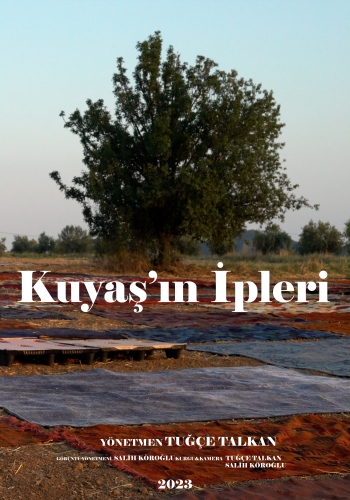
“Kuyaş’ın İpleri” belgeseli, Antalya’nın Döşemealtı ilçesindeki halı tarlalarına
odaklanıyor. Güneşe emanet edilmiş binlerce halının oluşturduğu görsel şölenin
arkasında çok büyük bir emek ve binlerce yıldır aktarılan bir kültürel miras
var. Belgesel, dokumacılık kültürümüzün köklerine ışık tutmayı hedeflemiştir.
Yıllar önce benimsediğimiz göçebe yaşamda doğa en iyi öğretmenimiz olmuş onda
bulduklarımızdan iplik elde etmek ve kök boyalarla onları boyayıp elde dokumak
gibi konularında ustalaşmış ve bunları aktarmışız. Sadece dokuma yöntemlerimiz
değil halılar üstüne işlenen desenlerle eski Türk hikayeleri de anlatılmış ve
korunmuş. Filmde kilim desenleri üstünden bu hikayelerin şifrelerini çözmeye
çalıştık. Kültürün yaşatıcısı olan azsayıda insanın ilham verici hikayesi de
filmin konusunu oluşturdu. Halıların pastel rengini alması için yaz boyunca
güneşe ve neme ihtiyacı olduğu kadar mirası aktarabilmeleri için bizlere de
ihtiyacı var. Bu amaçla belgesel bize ait olan ama daha çok yabancı ülkeler
tarafından ilgi gören kültürel mirasımızın görünür olmasını ve yaygınlaşmasını
amaçlamıştır.
The documentary "The Threads of Koyash" focuses on the carpet fields in the
Döşemealtı region of Antalya. Behind the visual feast of thousands of carpets
entrusted to the sun, there is a great labor and a cultural heritage passed down
for thousands of years. The documentary aims to shed light on the roots of our
weaving culture. In the nomadic life we adopted years ago, nature has been our
best teacher, and we have mastered and passed on our skills such as obtaining
yarn from what we find in it, dying them with root dyes and hand weaving them.
Not only our weaving methods but also the patterns embroidered on the rugs tell
and preserve ancient Turkish stories. In the film, we tried to decipher these
stories through the rug patterns. The inspiring story of a few people who keep
the culture alive was also the subject of the film. As much as the rugs need sun
and moisture during the summer to get their pastel color, they also need us to
pass on their heritage. To this end, the documentary aims to make visible and
widespread our cultural heritage, which belongs to us but is mostly attracted by
foreign countries.
8. Türk Dünyası Belgesel Film Festivali, Öğrenci Belgesel Film Yarışması, Yarışma Filmi. 2023